Mastering Course | Barcelona
Audio Mastering Course
Our Mastering Course is designed for today’s multi-genre modern engineer. While being completely focused on mastering “in-the-box” (in a computer), we provide you with the ability to achieve that commercial sound through the understanding of various analog circuits and effect processors. You will leave with a fully mastered track, and all the steps to continue improving and forwarding your abilities for years to come.
In Barcelona the Mastering Course runs as a small in-person class at our studio, taught in English by producers active in the city's electronic music scene, with the option to attend live online, using our specialist music collaboration software, Muse. Students join us from across Spain and the rest of Europe.
Introduction & Mixing Recap
- →Reference Tracks
- →Speakers & Headphones
- →Frequencies
- →Dynamic Processing
- →Effects
- →Critical Listening
Metering and Rendering
- →Gain Staging
- →Meters used in Mixing & Mastering
- →Mixing Groups
- →Rendering your Premaster
- →How to Prepare for Mastering
Introduction to Mastering
- →History of Mastering
- →Setting up a Mastering Session
- →Overview of Ozone & FabFilter Suite
- →Critical Listening
Mid/Side
- →What is Mid/Side
- →History of Mid/Side
- →Mid/Side Techniques
Maximizers
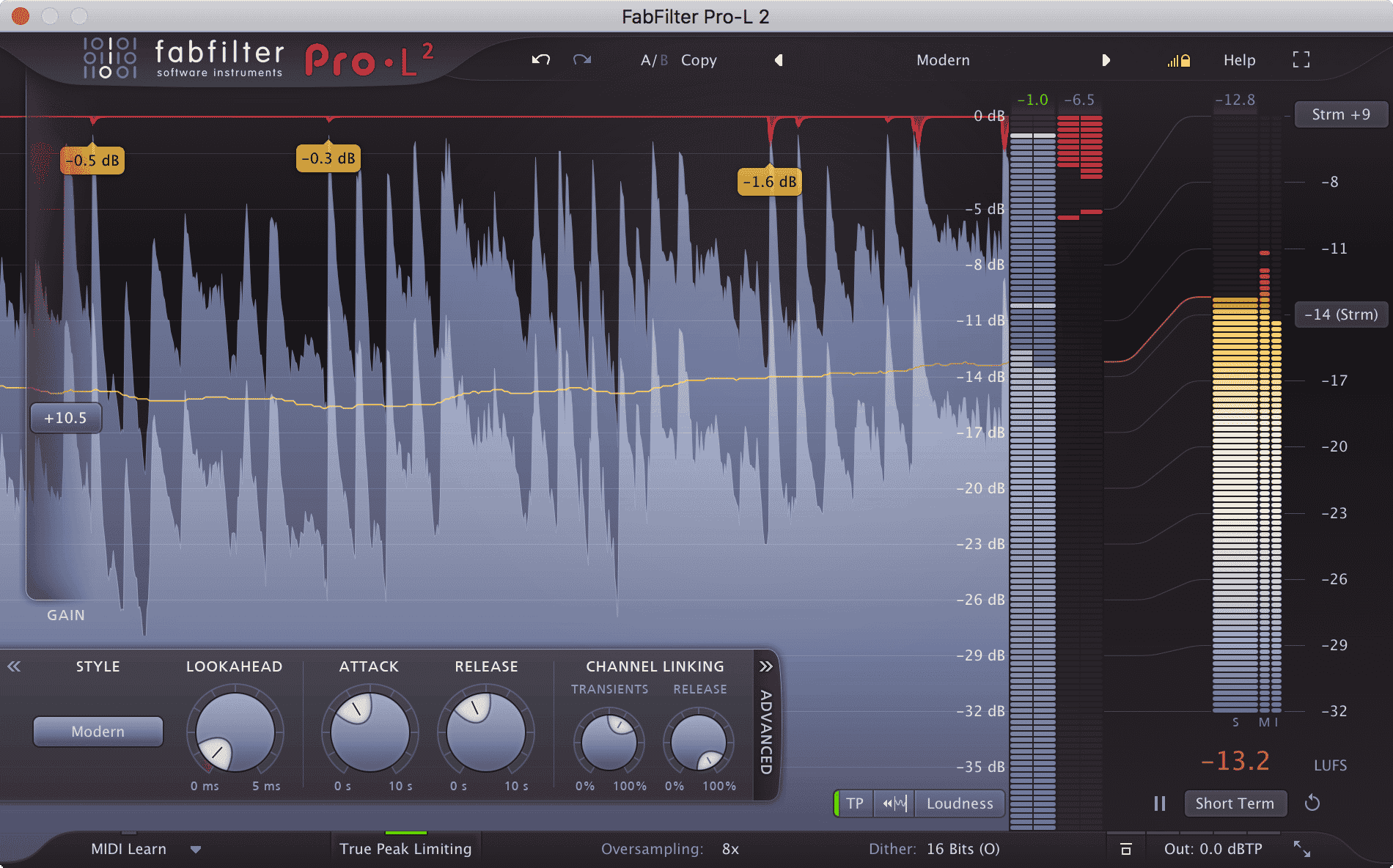
- →What is a Maximizer
- →Ozone Maximizer & FabFilter Pro-L walk-through every function.
- →Practical Use
Creating A Mastering Chain
- →Creating an efficient Mastering Chain with Ozone & FabFilter
- →Step by Step Hands-on Instruction
- →In depth explanation of Modules & Signal Flow
Metering / Phase & Dithering Analysis / Stem Mastering
- →Meters used in Mastering
- →Phase & Dithering
- →Stem Mastering for Clients
Advanced Mastering
- →Expanding Your Mastering Chain
- →Using Virtual-Analog Signal Processors
Mastering for Streaming Audio & Broadcasting
- →Explanation & History
- →Modern Day Application
Referencing, Finalizing, Exporting
- →How to Reference
- →Finishing Up
- →Exporting
- →Group Critique
The techniques can be applied within any digital audio workstation, which learners are required to bring with them. Classes are available in-person or LIVE Online. Discover qualities that distinguish us, here.
In our students' words.
“I have taken about 3 mixing courses online and learned something from each. This by far was the most helpful because it tied everything together and having a hands-on approach is the best. The instructor was super enthusiastic and patient as well. For the price and being a one week full session, nothing else compares.”
Biren M Patel
Instructors



Before you enrol.
In-the-box - fully computer-based, but grounded in understanding analog circuits and effect processors to get a commercial sound.
Yes - see Mastering Audio Private Instruction.
36 hours, or 20 hours as 1-on-1 instruction.
Yes - classes are available in-person or Live Online.
Yes - stem mastering for clients is covered as part of the metering and analysis section.
A fully mastered track, plus the full process to keep improving your mastering skills afterward.
€1299 + €100 Registration if booked 14 days before start or €1499 + €200 Registration
Ready when you are.
InquireWhy train with us?
Mastering
A full guide to mastering - what it is, how multi-band compressors work on the master buss, choosing crossover points and prepping tracks.
Read →Mastering
Mastering is a vital part of the recording process, so much so that a substantial amount of ‘mystery’ is associated with it. We’ve all heard stories of…
Read →Basic Panning Techniques
How to place instruments across the stereo field, why the low end stays centred, and how to avoid phase cancellation and masking.
Read →Mid/Side and Stereo Width
Mid is what the two channels share, side is what they do not. Splitting a mix that way lets you treat the centre and the edges separately - and it is the most common professional move that never appears in a beginner's mix.
Read →Mixing: The Short Version
The whole mixing process, condensed: zeroing the desk, subgrouping, panning, using your ears, and where ambience fits in.
Read →Modulation
We have discussed the most common modulation effects such as chorus, flanging and phasing. Now it is time to investigate other modulation effects.
Read →