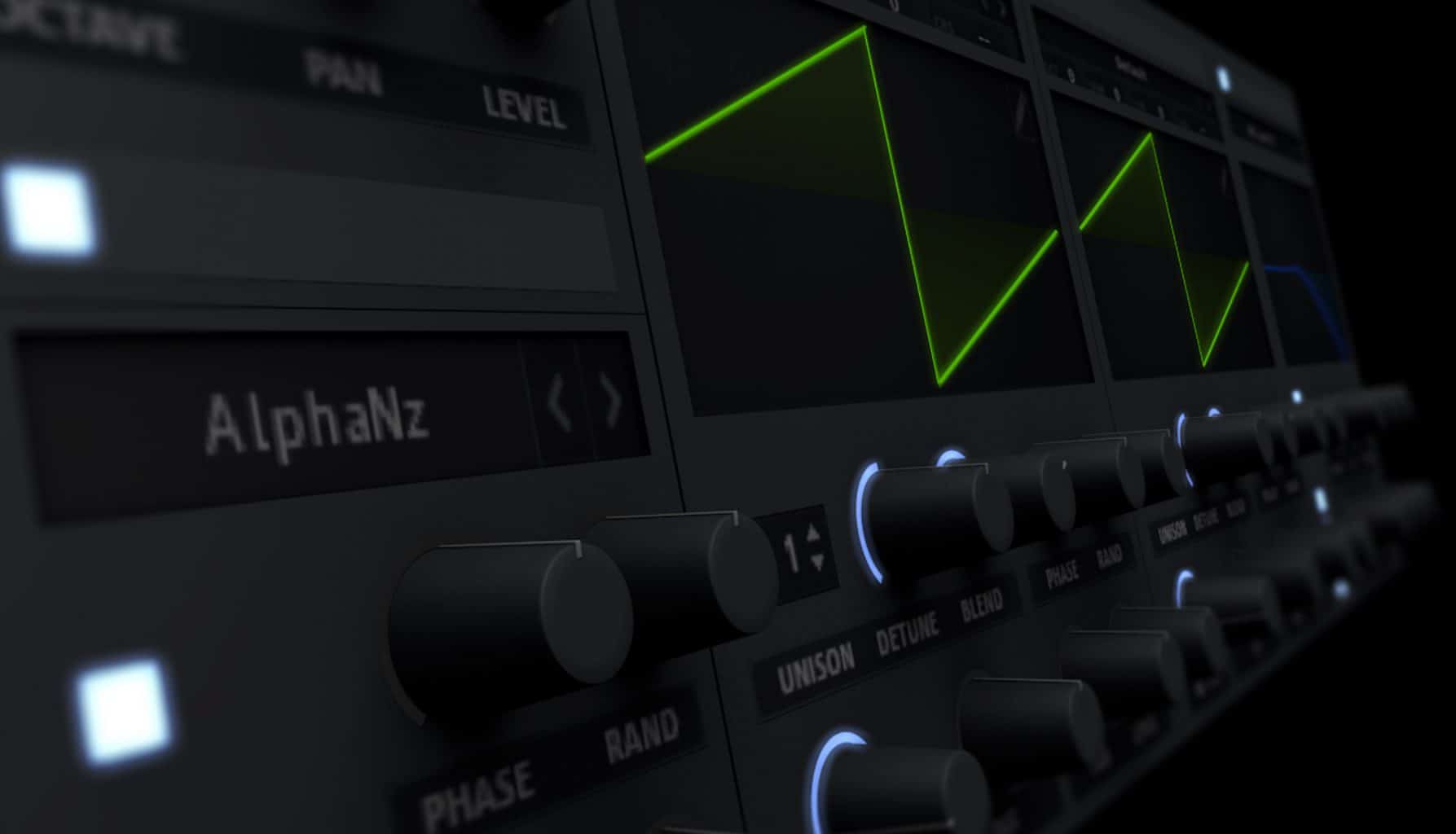
Electronic Music Production Course | Barcelona
Overview
- →Advanced run-through of industry leading soft synths.
- →Drum programming in-depth.
- →A complete understanding of tones, processing, resampling and different effects.
- →Sound choice and genre production.
- →Arrangement techniques and components that create all parts of a song.
- →Course collaboration project - learning to work with other producers!
- →Business tips and Q&A.
Subtractive & Wavetable Synthesis
- →Understanding Oscillators, Filters, Wavetables, Envelopes & LFOs.
- →Achieving analog tones with digital soft synths of today.
- →Creating pads, basses and drums using subtractive synthesis.
- →Arpeggiating and advanced subtractive techniques.
- →Synth side-chaining, internal routing, layering & tuning oscillators.
- →Modulation and automation.
FM
- →Attaining club level sub-bass frequencies in your mixes.
- →Understanding the results of different tones and frequencies through the world of modulation.
Granular Synthesis
- →Randomness & control.
- →Achieving distinctive sounds by looping cycles of audio.
- →FX and rising techniques.
Track Mentoring Sessions
- →One to one mentoring and guidance on your masterpiece
In our students' words.
“The EMP course is a good time and super informative. I've been writing and producing music for the past year in Logic. There was so much I wanted to transcribe from my mind to my DAW, I just didn't fully know how. Fortunately, the EMP course changed that in just a few short weeks. Very exciting. Not to mention the Garnish LA folks are super cool.”
Patricia Seely
Instructors


Before you enrol.
An advanced run-through of industry-leading soft synths, drum programming in depth, tone, processing and resampling, sound choice for your genre, and the arrangement techniques that make a whole song.
Yes. The Electronic Music Production Course can be taught one-to-one, in person in Barcelona or online, built around your own projects - ask admissions about private instruction.
The Electronic Music Production Course runs 36 hours. Tuition at Garnish Barcelona: 36 Hours - In-Person: €1299 + €100 Registration fee - Online Remote Attendance: €803.
Yes. The Electronic Music Production Course runs in person at Garnish Barcelona and live online in the same sessions, using our music collaboration software, Muse - you join whichever suits you.
You should be comfortable in one already; this is about the music, not the software.
Yes - the course closes with a collaboration project, learning to work with other producers the way records actually get made.
36 Hours | In-Person: €1299 + €100 Registration fee | Online Remote Attendance: €803
Ready when you are.
InquireWhy train with us?
Granular in Pigments
Granular synthesis in Arturia Pigments - loading samples, grain size, density, position, pitch and spray, freezing and scanning sounds, and turning recordings into pads, textures and rhythmic glitches.
Read →Instrument and Effect Layering
Building big, unique sounds by layering instruments and effects - layering for range, character and movement, splitting roles across the spectrum, parallel effects, and keeping layers clear.
Read →What Live Does and Does Not Change
Ableton publishes exactly which operations in Live are bit-transparent and which alter the audio. Some of it is surprising, and all of it is worth knowing before you argue about it online.
Read →FM in DX7 V
Frequency modulation in Arturia's DX7 V - operators, carriers and modulators, ratios, levels and envelopes, algorithms and feedback - and building electric pianos, basses, bells and FM drums.
Read →Drums: Shaping and Synthesising
Shaping drum sounds - envelopes, transient shaping, pitch, tuning to the key, EQ and saturation - and synthesising kicks, snares, hats and percussion from scratch, including FM drums.
Read →Wavetables in Serum
Xfer Serum's wavetable workflow - oscillators and wavetable position, warp modes, unison, the sub and noise oscillators, filters, drag-and-drop modulation, importing and drawing wavetables, and designing modern basses and leads.
Read →